
How to Store Furniture Safely: 7 Expert Tips to Prevent Damage
Furniture Storage Without the Regret
Everyone has seen it. That chair that went into storage looking perfectly fine and came out looking like it had lived a hard life. A warped leg here. A mysterious stain there. Furniture scars are forever.
Most of the time, the damage doesn’t happen during the move. It happens quietly, over weeks or months, when heat, humidity, and a few small shortcuts start adding up. In Florida especially, furniture doesn’t get much of a break. The air is heavy. Moisture sticks around. And storage often overlaps with renovations, downsizing, or long in-between seasons of life.
Doing it right from the start makes all the difference. The good news is that safe furniture storage isn’t complicated. It just takes a little intention, a little planning, and a storage facility that’s designed to make the process easier instead of harder. That’s where a family-owned, mid-Florida operation with a customer-first mindset really shows its value.
Tip #1: Clean Everything Like Your Furniture Depends on It
Dust and dirt don’t look dangerous, but once furniture goes into storage, they become long-term residents. Add moisture to the mix, and suddenly, small particles turn into stains, odors, or permanent surface damage. Before anything gets wrapped or loaded, give it a proper clean.
Wood pieces do best with a gentle wipe-down and a light polish. Upholstery benefits from a thorough vacuum, especially in seams and corners. Metal items should be completely dry before they’re stored to avoid rust showing up later.
Skipping this step is how people accidentally create an archaeology project. Dirt plus time has a way of telling stories no one asked for.
Tip #2: Disassemble What You Can (Your Movers Will Thank You)
Large furniture doesn’t love being moved in one piece. Stress cracks, warped frames, and bent joints usually happen when items are forced through doorways or stacked awkwardly in a truck.
Breaking furniture down makes everything easier. Bed frames, tables, shelving, and anything with removable legs should come apart before loading. Smaller pieces stack better, travel safer, and take up less space.
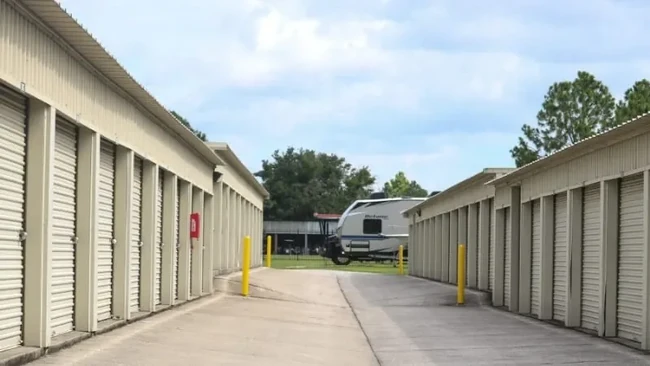
This is where ground-floor access really earns its keep. When movers can pull up, unload directly into a first-floor unit, and skip elevators altogether, the process is faster and far less punishing. Less lifting. Less waiting. Less strain on people and furniture alike.
Skipping elevators saves time. Saving time saves money. Movers appreciate it, and so does your back.
Tip #3: Wrap Smart, Not Like a Mummy
Wrapping furniture is about protection, not suffocation. Moving blankets are the gold standard for most pieces, especially wood and upholstered items. Stretch wrap can help hold blankets in place, but it should never touch wood or leather directly.
Plastic against natural materials traps moisture, and moisture is where problems begin. That’s how clouds and leather stiffen.
Having the right supplies on hand makes this step easier. When packing materials are available onsite, there’s no last-minute improvising with trash bags and hope.
Tip #4: Choose the Right Storage Unit (AC vs Non-AC Matters)
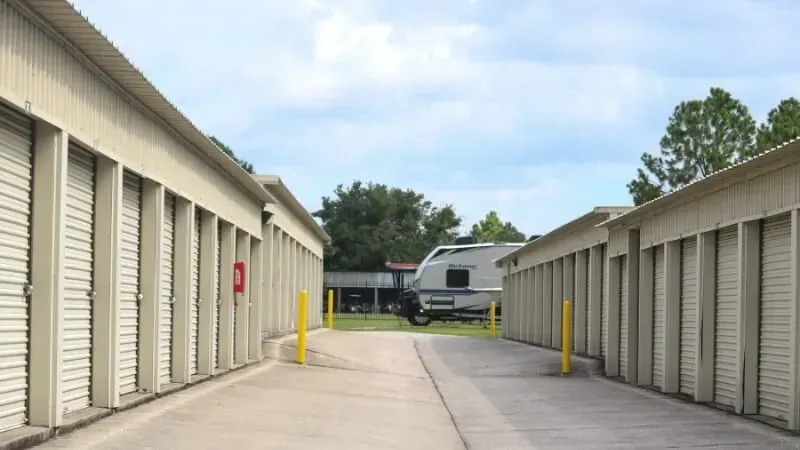
Not all furniture needs the same environment. Some pieces are perfectly fine in a standard, garage-style unit. Others really aren’t.
Air-conditioned units are best for wood furniture, leather, antiques, electronics, and anything sensitive to temperature swings. Non-AC units work well for metal, plastic, and sturdy garage furniture.
In Florida, humidity never takes a day off. Knowing what you’re storing and choosing accordingly prevents surprises later. Experienced managers who understand local conditions can help steer that decision before it becomes a problem.
Tip #5: Load Like a Pro (Heavy First, Smart Gaps)

Loading a storage unit is less about strength and more about strategy. Heavy items belong in the back, with weight evenly distributed. Sofas store best upright, supported properly. Mattresses should be kept flat or on their side, never bent.
Think of it as Tetris, but with consequences. A little planning prevents shifting, tipping, and crushed corners.
Drive-up access makes this much easier. When rearranging doesn’t involve long walks or elevator waits, adjustments happen naturally and safely.
Tip #6: Make Access Easy for Future You
At some point, you’ll need “just one thing.” When that moment comes, easy access matters more than people expect.
Drive-up units, first-floor layouts, and clear paths mean you’re not unloading half the unit to reach one box. Storage should simplify life, not create a new obstacle course.
Designing around convenience is a quiet form of customer care, and it shows when life gets busy.
Bonus Tip: Rent the Right Truck (And Save Your Friendships)

A truck too small leads to overstuffing, rushed loading, and damaged furniture. Too many trips lead to frustration and favors that get remembered forever.
Renting the right-size truck from the start protects your belongings and your relationships. One-stop shopping means fewer errands, fewer headaches, and fewer “Can you help me move this couch again?” texts.
Your friends don’t actually want to move your couch.
Why Local Mid-Florida Storage Makes a Difference
Storage isn’t just square footage. It’s local knowledge, consistent management, and people who understand how Florida weather and real life intersect.
Family-owned operations tend to notice the details. Best-in-class managers know their customers, their units, and how to help people avoid mistakes before they happen.
Store Smart Now, Thank Yourself Later
Clean everything. Disassemble when you can. Wrap with intention. Choose the right unit. Elevate your furniture. Load thoughtfully. Make access easy.
When it’s time to bring everything back out, the goal is simple. Your furniture should look the same as it did going in and not mysteriously “vintage.”
Visit your nearest Personal Mini Storage and talk to a manager who cares. Your future self will be glad you did.