The Benefits of Long-Term Storage and How to Do It Right
There’s a special kind of optimism we all share when we put something in storage.
“I’ll just keep this here for a month.”
“I’ll grab it next weekend.”
“I’m definitely going to use this again.”
Fast forward six months and you’re staring at the same box you labeled “IMPORTANT” (which is storage-unit language for “I panicked and ran out of time”).
Long-term storage is incredibly useful, but it’s also where small mistakes turn into big regrets. Think: mystery smells, warped furniture, crushed boxes, and that one item you swear you packed but can’t find unless you unpack half the unit like you’re on a reality TV survival show.
So let’s make long-term storage easy, clean, and stress-free. Here’s how to do it right, plus why it’s actually one of the smartest moves you can make when life gets busy.
What “Long-Term Storage” Really Means (and Why It Needs a Plan)
Long-term storage usually means you’re keeping items in a unit for three months or longer, often six months to a year, sometimes longer. It’s not a bad thing. It usually means you’re in a transition period:
- Moving or waiting on a new home
- Downsizing
- Renovating
- Managing an estate
- Storing seasonal gear or business inventory
- Just needing space to breathe again
The difference with long-term storage is simple: your stuff is going to sit, and when things sit, they face the enemies of time. Dust. Moisture. Heat. Pests. Gravity. (Yes, gravity. It will absolutely flatten the bottom boxes if you stack like a Jenga champion.)
That’s why long-term storage works best when you treat it like a mini system instead of a temporary pile.
The Benefits of Long-Term Storage (It’s Not Just “More Space”)

1) Your home feels lighter instantly
Decluttering isn’t only about having a cleaner space, it’s about reclaiming your mental bandwidth. When your living room isn’t doubling as a storage closet, you stop feeling like you’re living inside a to-do list.
2) It buys you time during big life changes
Moving, renovating, downsizing, or travelling for an extended period? Storage lets you handle changes without rushing major decisions like “should I sell this?” or “where do I put the entire contents of my kitchen for the next two months?”
3) It protects items you actually care about
Furniture, family keepsakes, documents, seasonal décor, equipment, and electronics all stay safer when stored properly instead of being crammed into humid garages, spare rooms, or that one corner of the house where everything goes to become part of the furniture.
4) It can save money
Sometimes long-term storage is cheaper than upsizing your home, renting extra office space, or buying sheds and shelving you don’t really want. Storage is a “pay for what you need” solution and you can adjust unit sizes as life changes.
5) It makes your future self unbelievably grateful
This might be the biggest benefit of all. When you pack with a plan, your future self doesn’t have to spend a Saturday opening boxes labeled “Misc.” like it’s a cursed treasure chest.
Step 1: Choose the Right Storage Unit (AC vs Non-AC)
Before you pack a single box, pick the right environment for what you’re storing. For long-term storage, this matters a lot.
When AC storage is the smarter option
Choose air-conditioned (AC) storage for items that hate heat and humidity, like:
- Wood furniture
- Electronics and appliances
- Photos, books, and documents
- Leather items, handbags, and shoes
- Musical instruments
- Clothing you want to keep in good condition
- Collectibles and sentimental items
AC storage helps keep temperature swings and humidity in check, which reduces the risk of warping, cracking, mildew, and weird smells.
When non-AC storage can work
Non-AC units are often fine for sturdy items such as:
- Tools and equipment
- Plastic bins of household items
- Patio furniture (clean and dry first)
- Metal shelving
- Sports gear stored correctly
- Items that can handle seasonal temperature changes
Even with non-AC storage, preparation is still everything. A non-AC unit doesn’t mean “throw it in and pray.” It means “pack smart and keep moisture out.”
A quick size tip for long-term storage
Don’t pack like you’ll never return. For long-term storage, you want:
- A small walkway
- A clear “front zone” for items you might grab
- Stack stability
If you can’t reach anything without moving ten boxes, it’s not storage. It’s a puzzle.
Step 2: Prep Your Items Like They’re Going Into Hibernation
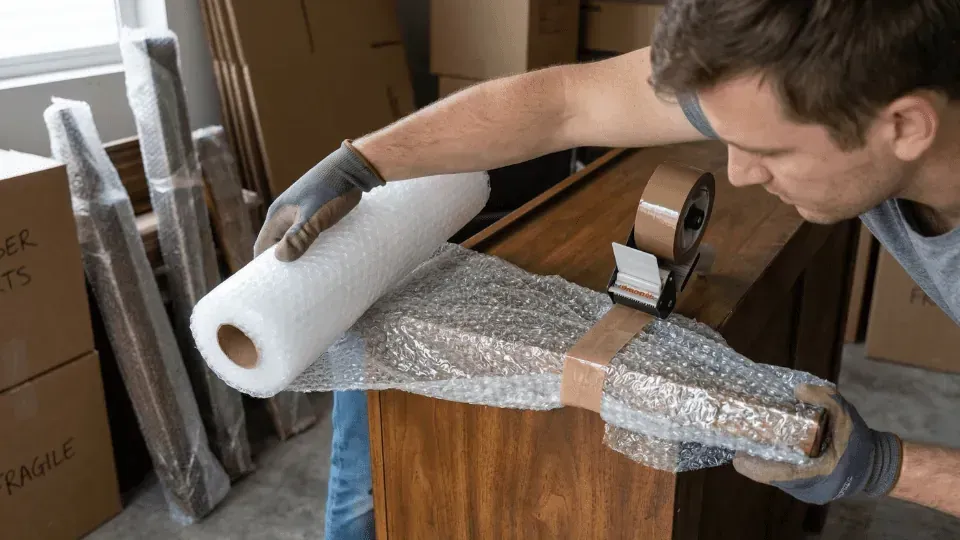
Long-term storage is basically “sleep mode” for your belongings. You want them to wake up fine.
Clean everything first
This is not optional. Dust, crumbs, and stains become permanent roommates when left long enough.
- Wash fabrics
- Wipe furniture
- Clean appliances
- Vacuum soft items if needed
If it can attract pests or create odours, it needs cleaning.
Dry everything completely
Moisture is the main villain in long-term storage. If something is even slightly damp, it can turn into mildew and spread that “storage smell” to everything near it.
Disassemble big furniture
Remove table legs, bed frames, shelves, etc. Bag the hardware and label it. Future-you should not have to guess which screws belong to which furniture. That’s how you end up with “extra parts,” and nothing good has ever come from “extra parts.”
Use the right packing materials
For long-term storage, upgrade your packing materials:
- Plastic bins with secure lids (great for long-term)
- Heavy-duty boxes for lighter items
- Bubble wrap for fragile items
- Stretch wrap for stability (but avoid wrapping wood directly)
If you’re storing with Personal Mini Storage, this is where the “one stop shopping” advantage comes in handy: grab moving supplies when you need them instead of doing a last-minute store run while holding a half-taped box.
Step 3: Pack for Easy Access (Not Just “Make It Fit”)
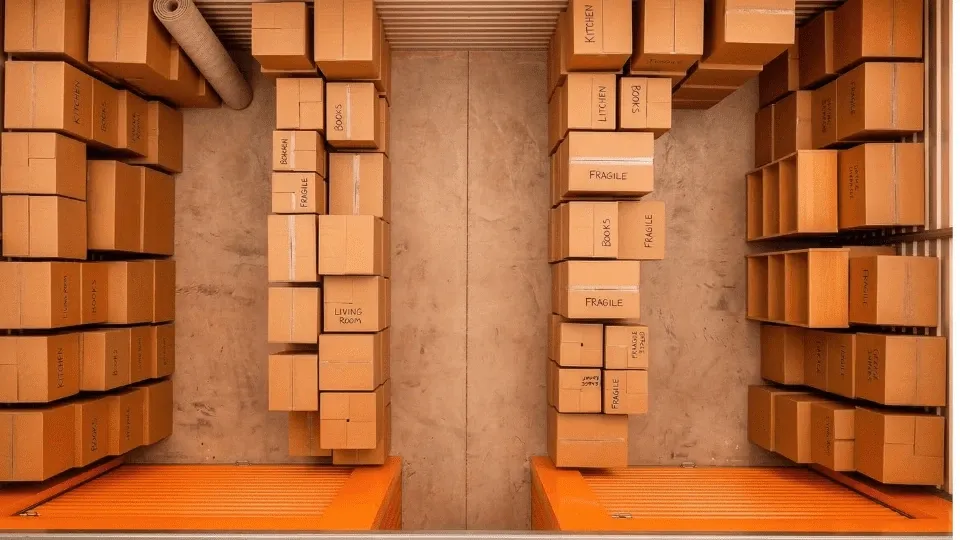
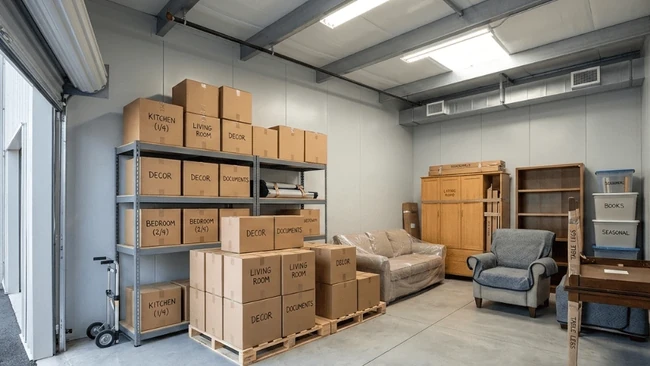
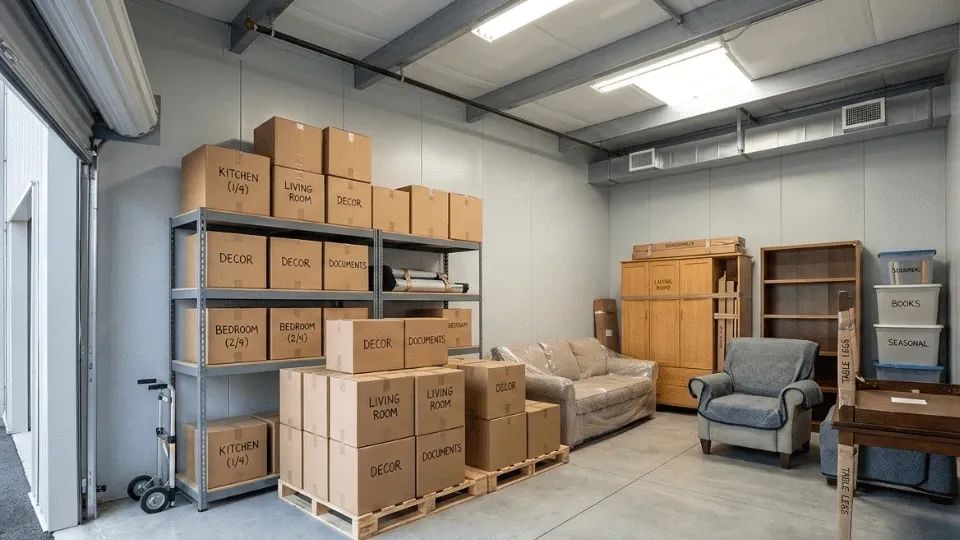
Here’s the long-term storage mindset shift: pack so you can find things later.
Label like a pro
Skip “Kitchen Stuff.” Go with:
- “Kitchen – plates and glasses – Box 1 of 3”
- “Christmas Décor – lights – open first”
If you want to be extra organised, number your boxes and keep a simple list in your phone. It takes 10 minutes and can save hours later.
Store by frequency
Think of your unit like a mini room:
- Front: items you might grab occasionally
- Middle: seasonal and rotation items
- Back: deep storage items you won’t need anytime soon
Keep items off the floor
Even in clean facilities, it’s smart to elevate items:
- Use pallets, shelving, or sturdy plastic bins
- Keep soft items (like mattresses or fabric furniture) protected and elevated when possible
Don’t block airflow
Leave small gaps along the sides or between tall stacks. Airflow reduces trapped humidity and helps keep everything fresher.
Step 4: Defend Your Stuff from Humidity and Pests
If you’re storing in Florida or any humid environment, moisture control should be part of your strategy.
Moisture tips that actually help
- Use moisture absorbers or desiccant packs
- Store fabric items in sealed containers or vacuum bags (only when fully dry)
- Avoid using trash bags (they trap moisture and tear easily)
Pest prevention basics
- Never store food, snacks, or anything scented (even scented candles)
- Use sealed bins for textiles and paper goods
- Keep boxes organised and off the floor
- Avoid leaving loose clutter (clutter = hiding spots)
Step 5: Make Storage Easy on Your Body (and Your Helpers)
Long-term storage doesn’t mean “never visit.” It means you want access without drama.
This is where facility features matter a lot, especially when you’re moving heavy items.
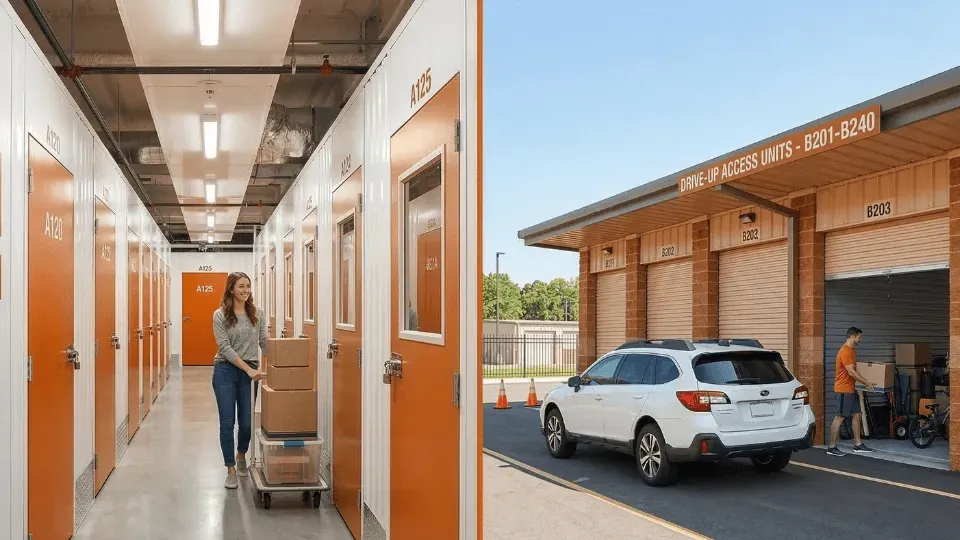
If you’re using Personal Mini Storage, take advantage of the setup:
- Easy access
- Ground floor / first floor access
- Drive-up units
- No elevators
Yes, we’re saying it again because it’s true: Skip the elevators. Save time. Save money with your movers. Make it easy on your moving helpers.
Ground floor access and drive-up units keep long-term storage realistic, especially if you plan to rotate items in and out or do quick check-ins.
Step 6: Do Simple Check-Ins (So Small Problems Don’t Get Big)
For long-term storage, a quick visit every now and then is a smart move.
A good rule:
- Monthly check-ins if you stored sensitive items
- Every 2 to 3 months for sturdy items
What to look for:
- Any moisture signs
- Shifting stacks
- Damaged boxes
- Anything that needs better protection
The goal is prevention, not panic.
Common Long-Term Storage Mistakes (So You Don’t Learn the Hard Way)
- Storing items before cleaning/drying them
- Packing in weak boxes that collapse over time
- Using trash bags for clothing or linens
- No labels, no inventory, no plan
- Stacking too high with no stability
- Choosing the wrong unit type for sensitive items (AC vs non-AC)
Long-term storage is easy when you treat it like a system, not a dumping ground.
Why Long-Term Storage Works Best with Personal Mini Storage
When you’re storing long-term, you want consistency and support, not stress.
Personal Mini Storage is:
- Family owned and operated
- Focused on a customer-centric business philosophy
- Known for best-in-class managers who actually help
- Operating only in mid-Florida
- Designed for convenience with easy access, ground floor, drive-up units, and first floor access
- Flexible with AC and non-AC options
- Built for “one stop shopping” with moving supplies and U-Haul truck rentals to help move items
That combination makes long-term storage feel less like a chore and more like a practical life upgrade.
Quick Long-Term Storage Checklist (Save This)
- Choose AC for humidity-sensitive items
- Clean and dry everything
- Use plastic bins and sturdy boxes
- Label clearly and keep a simple inventory
- Elevate items off the floor
- Pack with a walkway and airflow in mind
- Store by frequency (front = easy access)
- Schedule quick check-ins
Final Thought
Long-term storage isn’t about hiding your stuff. It’s about creating breathing room, protecting what matters, and making transitions easier without turning your home into a permanent obstacle course.
Do it right once, and you’ll get the best part of storage: peace of mind.
And if you ever open a box labeled “Misc.” again… at least you’ll know exactly where you put it.
- How to Hurricane-Proof Your Storage Unit Before Storm Season Hits
- Florida Humidity and Your Storage Unit: What It Actually Does to Furniture, Electronics, and Clothing
- Climate-Controlled vs. Drive-Up Storage: Which One Actually Protects Your Belongings?
- 10x10, 10x15, and 10x20 Storage Units: What Actually Fits in Each Size