How to Protect Furniture, Electronics, and Keepsakes in Florida Storage
Storing important belongings in Florida is a little different from storing them in cooler, drier places. Heat, humidity, and moisture can be tough on furniture, electronics, and sentimental items if they are not packed and stored properly. That is why protecting your belongings starts with more than simply finding extra space. It starts with choosing the right storage setup and preparing your items carefully before they ever go into the unit. In Clermont, Personal Mini Storage offers both climate-controlled and non-climate-controlled units, and the company specifically notes that humidity is a major concern in Florida.
Whether you are between homes, clearing space during a renovation, helping a family member downsize, or just trying to reclaim your garage, a storage unit can be a practical solution. The key is making sure your belongings are stored in a way that helps them stay clean, dry, and in good condition while they are out of sight.
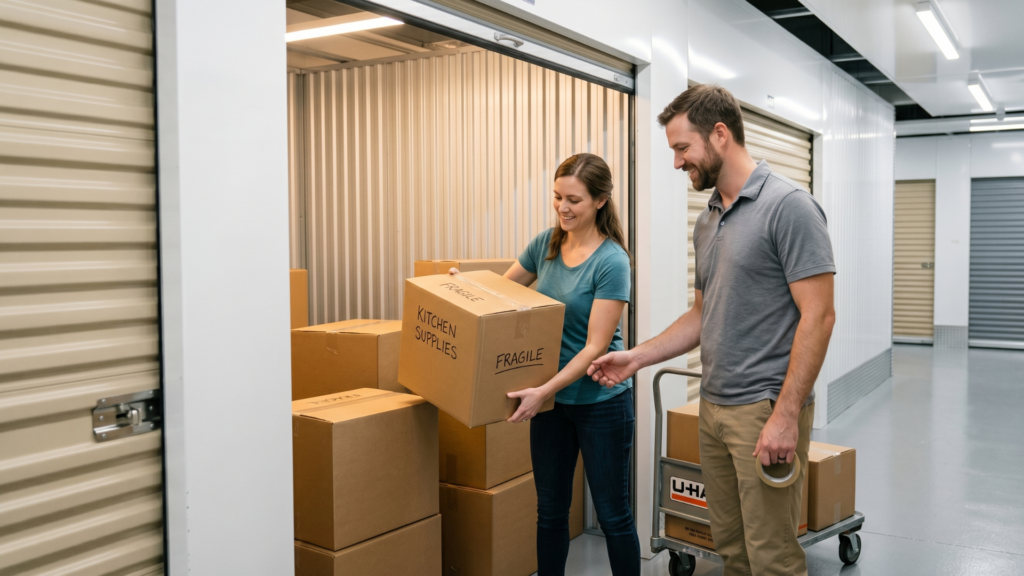
Why Florida Storage Needs Extra Attention
Florida weather can be hard on stored items. Heat can dry out wood, warp certain materials, and affect adhesives, while humidity can lead to musty smells, mildew, corrosion, and general wear over time. That is especially important when you are storing pieces that are either valuable, delicate, or impossible to replace.
Furniture, electronics, and keepsakes all have one thing in common: they tend to react badly when exposed to damp conditions or extreme temperature swings. A wooden dresser may begin to warp. Upholstered chairs may start to smell stale or absorb moisture. Electronics can develop internal damage if they are stored carelessly. Old letters, printed photographs, and family documents may yellow, curl, or deteriorate faster than expected.
That does not mean you cannot store these items in Florida. It just means you need to be more intentional about how you do it.
Furniture: Clean It, Cover It, and Give It Breathing Room
Furniture is one of the most common things people place in storage, especially during moves, remodels, and life transitions. But furniture can also be one of the easiest categories to damage if you rush the process.
Before storing furniture, clean it thoroughly. Dust, dirt, body oils, and food residue can settle into surfaces and fabrics over time, which may lead to odours, stains, or mildew. Make sure everything is completely dry before it goes into storage, especially upholstered items. Even a little trapped moisture can cause problems later.
It also helps to disassemble larger pieces when possible. Removing bed frames, table legs, shelves, and cushions can save space and reduce the risk of pressure damage during stacking or transport. Smaller pieces are usually easier to wrap and position safely inside the unit.
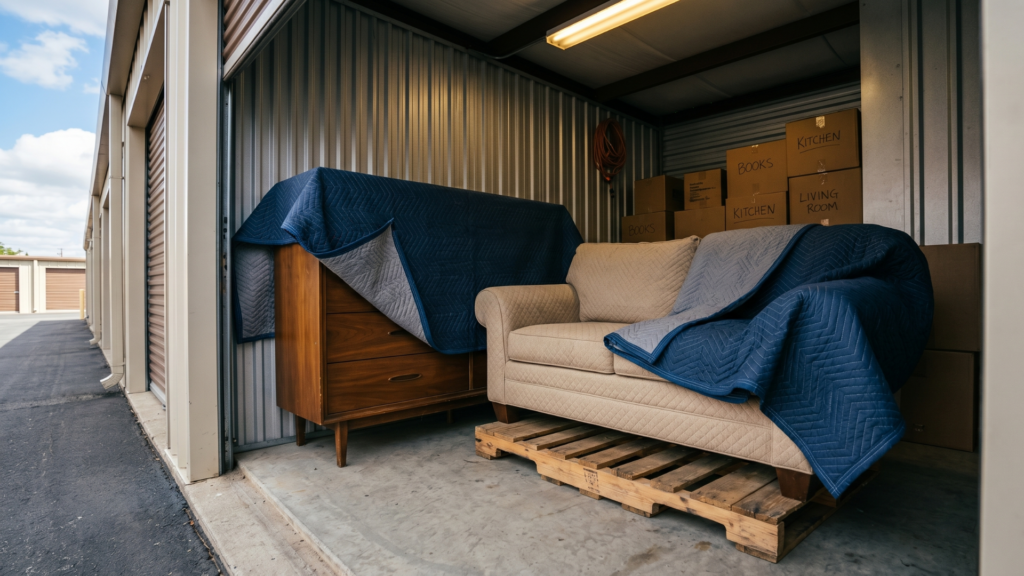
When covering furniture, breathable protection is usually the better choice for long-term storage. Furniture blankets, fabric covers, or sheets can help block dust while still allowing airflow. Wrapping everything tightly in plastic for months at a time may trap moisture, which is the exact problem you are trying to avoid.
Try not to place furniture directly on the floor. Using pallets, boards, or shelving can create a little separation from dust and any potential surface moisture. Even in a clean unit, that extra layer of protection is worth it for items you care about.
Electronics: Protect from Heat, Dust, and Pressure
Electronics need careful packing because they are sensitive not only to moisture, but also to dust, heat, and physical pressure. Televisions, monitors, laptops, speakers, printers, gaming systems, and small appliances all benefit from a little extra care.
If you still have the original packaging, use it. Those boxes were designed to support the item properly. If not, choose a sturdy box with enough padding to cushion the item without crushing it. Bubble wrap, packing paper, and foam inserts can all help.
Remove batteries before storing electronics for any length of time. Batteries can leak and cause damage, especially when they sit unused for months. Wrap cords neatly, label accessories, and keep remote controls or detachable parts in clearly marked bags so they are easy to match later.
Be careful not to stack heavy items on top of electronics. Flat screens, ports, and internal components do not always show damage right away, and a little too much pressure can create issues that you only discover when it is time to set everything back up.
When taking electronics out of storage, give them time to adjust to room temperature before plugging them in. That simple step can help reduce condensation-related risks after long-term storage.
Keepsakes and Sentimental Items Deserve Special Care
Keepsakes are often the hardest items to replace because many of them cannot be replaced at all. Family photos, letters, heirlooms, children’s artwork, old holiday decorations, antiques, collectibles, and personal memorabilia all deserve extra attention before they go into storage.
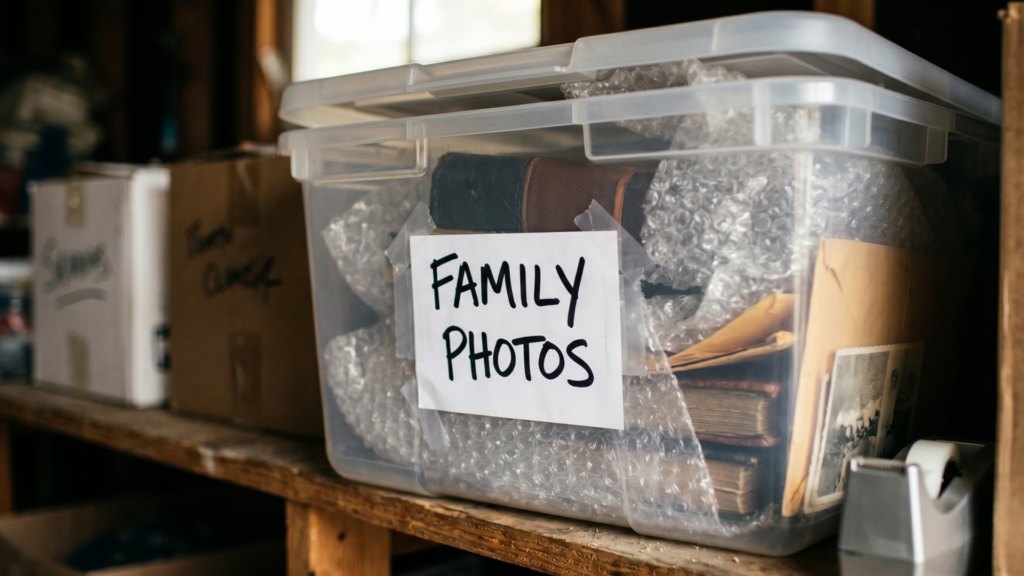
Paper items and photographs are especially vulnerable to Florida humidity. Instead of stuffing them into random boxes, use acid-free sleeves, archival containers, or sturdy photo-safe boxes when possible. Fragile items should be wrapped individually and packed in a way that prevents shifting.
Do not overfill boxes. Packed too tightly, delicate keepsakes can bend, crack, or break. Packed too loosely, they may shift around in transit or while sitting in the unit. The goal is protection without pressure.
Placement inside the unit matters too. It is smart to keep sentimental items off the floor and away from the door if possible. The farther they are from direct exposure and foot traffic, the better. If you are storing things that would be deeply upsetting to lose or damage, this is usually the point where climate-controlled storage becomes worth serious consideration.
When Climate-Controlled Storage Makes Sense
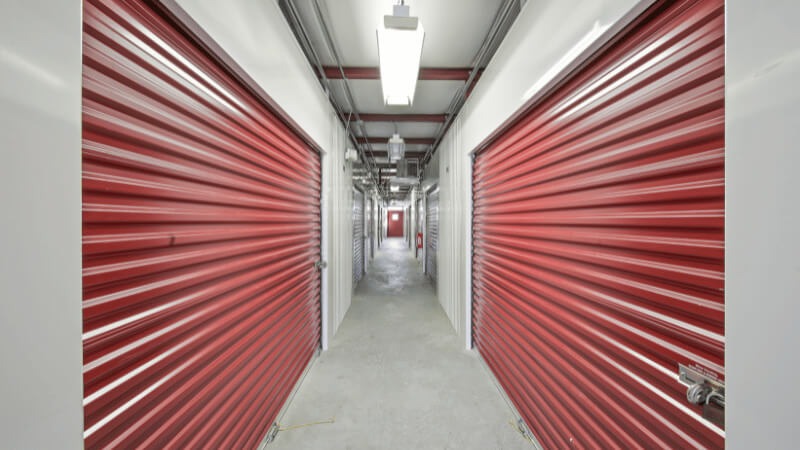
Not everything needs climate control, but some belongings absolutely benefit from it. Personal Mini Storage’s Clermont page states that both climate-controlled and standard spaces are available, specifically because Florida humidity is such a concern. Both Clermont facilities also offer month-to-month leases, which can make it easier to choose the right level of protection without feeling locked into a long commitment.
Climate-controlled storage is often the better fit for wood furniture, leather items, fabric pieces, electronics, paper records, photographs, collectibles, and any item you would hesitate to leave in a hot Florida garage for months. It helps create a more stable environment, which can reduce the stress that heat and humidity place on sensitive materials.
For many people, the decision comes down to value and vulnerability. If the item is expensive, delicate, sentimental, or hard to replace, climate control is usually the safer bet.
Packing Materials Matter More Than People Think
Good packing materials can make a major difference in how well your belongings hold up over time. Sturdy boxes are better than worn-out ones. Bubble wrap and packing paper are better than newspaper for fragile items. Shelving can improve organization and airflow. Labels can save you from unnecessary unpacking later.
Plastic bins can be useful for some household goods, but they are not always the best choice for every item. For keepsakes and delicate paper goods, the wrong container can trap moisture if items are not completely dry before packing. For furniture and fabrics, breathable covers are still the better choice.
Moisture absorbers can also be helpful in some situations, especially when paired with smart packing and proper unit selection. They are not a substitute for climate control, but they can add another layer of protection for certain belongings.
Common Storage Mistakes to Avoid
A lot of storage damage happens because of preventable mistakes. One of the biggest is storing items while they are still damp. Even slight moisture in fabric, wood, or cardboard can turn into mildew, odours, or staining later.
Another common mistake is wrapping everything tightly in plastic and assuming that more coverage always means better protection. In Florida, trapped moisture can do real damage over time. Lack of airflow is often just as risky as outside humidity.
People also run into trouble when they overpack the unit. When boxes are jammed together with no space to breathe, it becomes harder to access items, easier to crush fragile belongings, and more likely that moisture problems will go unnoticed until it is too late.
And sometimes the biggest mistake is simply choosing the wrong kind of unit. A standard unit may be perfectly fine for some belongings, but it may not be the best match for items that are heat-sensitive, sentimental, or expensive.
How to Organize the Unit for Better Protection
The way you arrange your storage unit plays a big role in how well your belongings stay protected. Heavier and sturdier items should usually go on the bottom or toward the back. Fragile items should be kept higher, safer, and away from anything that might shift or lean.
Leave a walkway if you can. That little aisle makes it easier to reach what you need without moving half the unit around. It also helps airflow and lets you check on your belongings more easily during longer storage periods.
Group similar items together. Keep furniture in one area, electronics in another, and keepsakes in clearly labelled containers. Frequently used items should stay closer to the front. Seasonal or rarely needed items can go farther back. The more organized the unit is from day one, the less likely you are to cause accidental damage later when you need to retrieve something.
Why Clermont Storage Can Be Helpful During Transitions
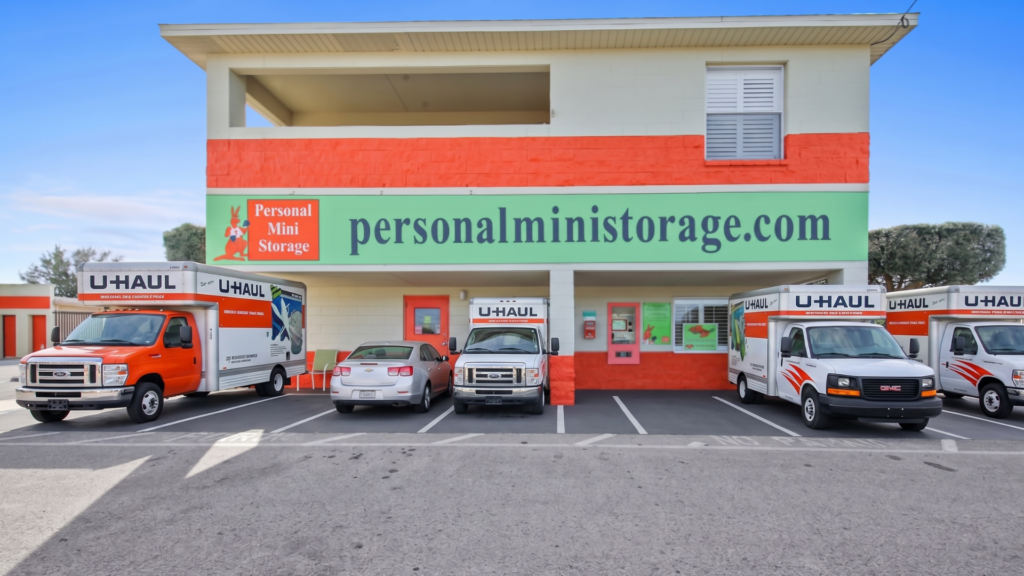
People often need storage during moments when life already feels busy. Moves, remodels, estate transitions, downsizing, and seasonal decluttering can all create a situation where you need extra room quickly. Clermont’s Personal Mini Storage hub lists two local facilities, one on US Hwy. 27 and one on SR 50, and notes that each location offers month-to-month leasing. The page also says Clermont facilities typically have U-Haul trucks on-site, which can help make moving and storage more convenient.
That kind of flexibility can be especially useful when you are not sure exactly how long you will need storage. Sometimes it is just a few weeks during a move. Sometimes it turns into a longer-term solution while you sort through household items, prepare a home for sale, or make room for family changes.
Final Thoughts
Protecting furniture, electronics, and keepsakes in Florida storage is really about combining the right unit with the right habits. Clean and dry your items first. Use quality packing materials. Give belongings room to breathe. Keep sensitive items off the floor. Organize the unit in a way that prevents pressure and makes access easier.
And when you are storing items that matter most, do not underestimate the value of climate control in Florida. In a place like Clermont, where humidity is a known concern and both standard and climate-controlled options are available, choosing the right setup can go a long way toward keeping your belongings in good shape.