How to Choose the Right Storage Facility: 7 Questions to Ask Before You Rent
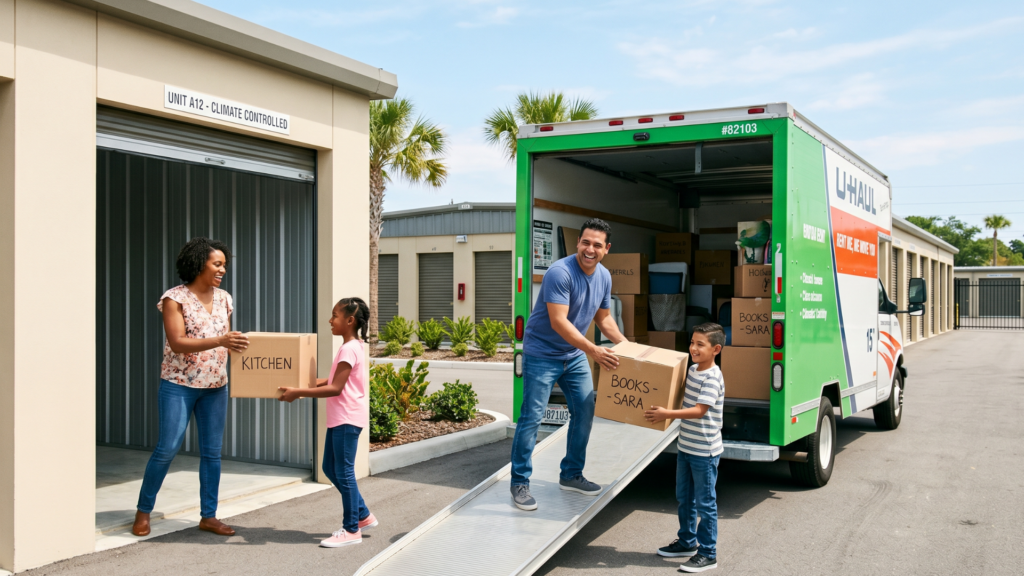
Choosing a storage facility sounds simple at first.
You need extra space, so you search for a storage unit, compare prices, pick one, and move your things in. Easy, right?
Not always.
Once you start looking, you may notice that every storage facility offers different unit sizes, access options, rental terms, security features, and storage types. Some facilities offer climate-controlled units. Some have drive-up access. Some provide moving supplies or truck rentals. Others may look affordable at first but may not be the most convenient option for your situation.
The right storage facility should do more than give you four walls and a lock. It should make your move, renovation, business storage, seasonal storage, or household organization project easier from start to finish.
Before you rent a storage unit, ask these seven important questions to help you choose the right storage facility for your needs.
Why Choosing the Right Storage Facility Matters
Not all storage facilities are the same.
A good storage facility can help you save time, protect your belongings, avoid renting the wrong unit size, and access your items when you need them. The wrong facility can make storage feel stressful, inconvenient, and more expensive than expected.
For example, the cheapest unit may not feel like a bargain if you have to carry heavy furniture across a parking lot in the Florida heat. A facility far from your home may become frustrating if you need to access your items often. A non-A/C unit may not be the best choice for items that are sensitive to heat and humidity.
Choosing the right storage facility is about finding the right balance of location, unit size, access, security, features, flexibility, and customer support.
Here are the seven questions to ask before you rent.
1. Is the Storage Facility Conveniently Located?
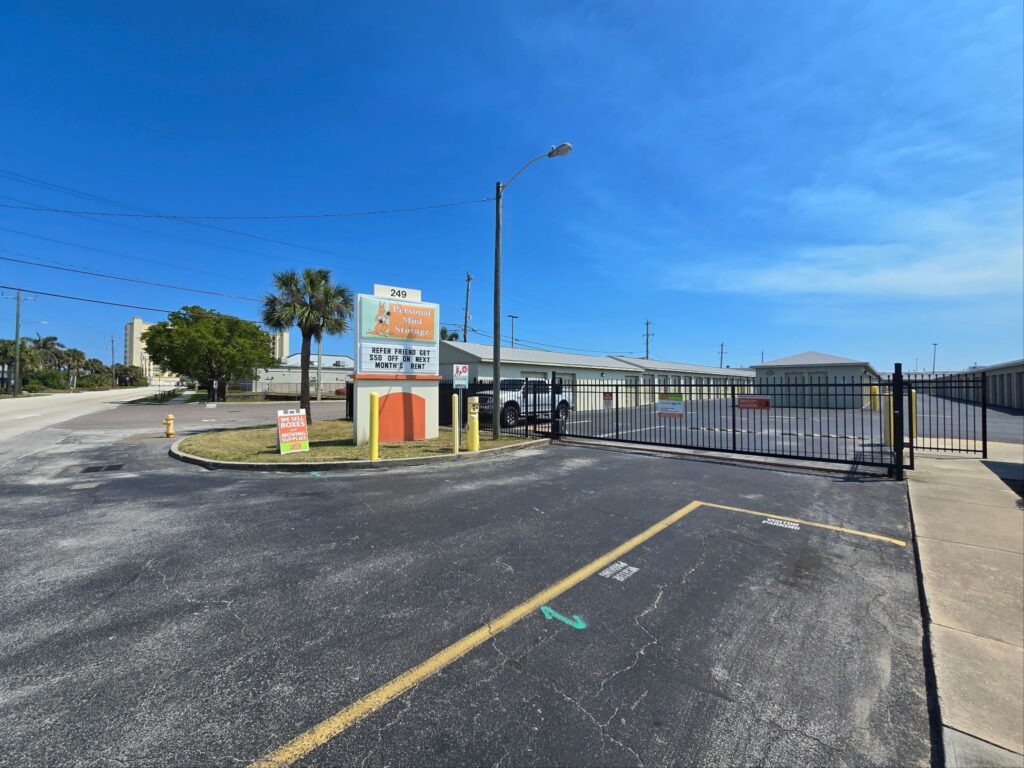
Location is one of the first things to consider when choosing a storage facility.
A nearby storage facility can make a big difference, especially if you plan to visit your unit regularly. If you are storing business inventory, sports equipment, tools, seasonal décor, or college items, you may need to access your unit more often than expected.
When comparing storage facilities, think about how the location fits into your routine. Is it close to your home, office, school, or business? Is it easy to reach from main roads? Can you stop by without going far out of your way?
A “storage facility near me” should not only be close on the map. It should also be practical for how you plan to use it.
When Location Matters Most
Location is especially important if you are using storage during a move, home renovation, business expansion, college break, or seasonal transition.
Business owners may need quick access to inventory, tools, documents, or supplies. Families may want a nearby unit for holiday decorations, sports gear, and household overflow. Homeowners renovating a kitchen, bedroom, or garage may need to move items in and out during different phases of the project.
If you only need storage once and do not plan to visit often, distance may matter less. But if you expect regular access, convenience should be a top priority.
2. What Storage Unit Sizes Are Available?
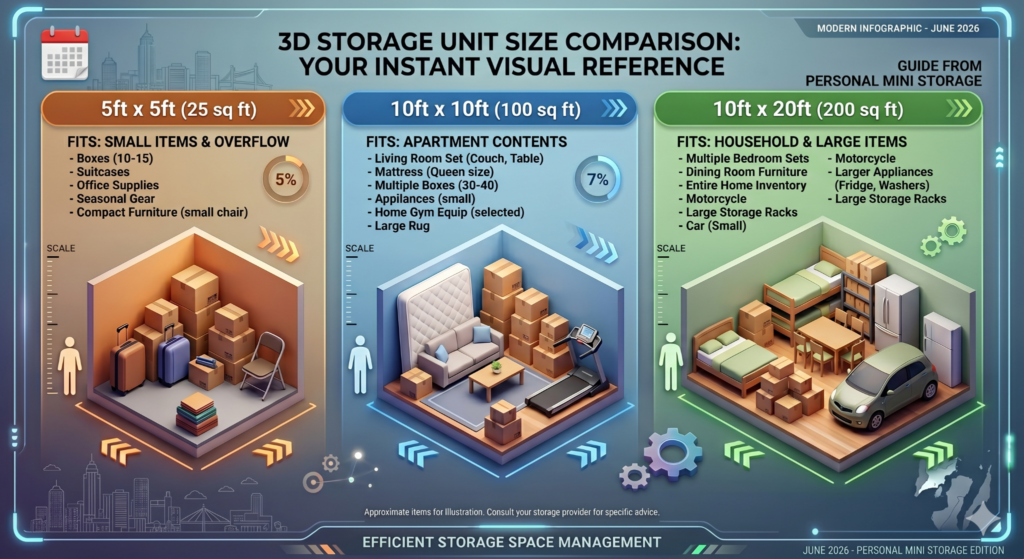
Choosing the right unit size can save you money, time, and frustration.
A unit that is too small can become difficult to organize. You may end up stacking boxes too tightly, blocking access to important items, or needing to upgrade later. A unit that is too large may cost more than necessary.
Before renting, make a list of what you plan to store. Include large furniture, appliances, boxes, tools, sports equipment, business supplies, or seasonal items. This will help the facility team recommend a unit size that fits your needs.
Small storage units may work well for boxes, documents, decorations, small furniture, dorm items, and seasonal items. Medium units may be better for apartment contents, sports equipment, business inventory, or several pieces of furniture. Larger units may be needed for household moves, appliances, multiple rooms of furniture, or business equipment.
Why Bigger Is Not Always Better
It can be tempting to rent a larger unit “just in case,” but that may not always be the best choice.
If you organize properly, use sturdy boxes, and stack items safely, a smaller or medium-sized unit may provide enough space. On the other hand, if you need to access items frequently, a slightly larger unit may be worth it so you can leave a walkway.
The goal is not to rent the biggest unit available. The goal is to rent the right unit for your belongings and how often you need to access them.
A helpful storage manager can guide you based on what you are storing and how long you plan to store it.
3. Do You Need Climate-Controlled Storage?
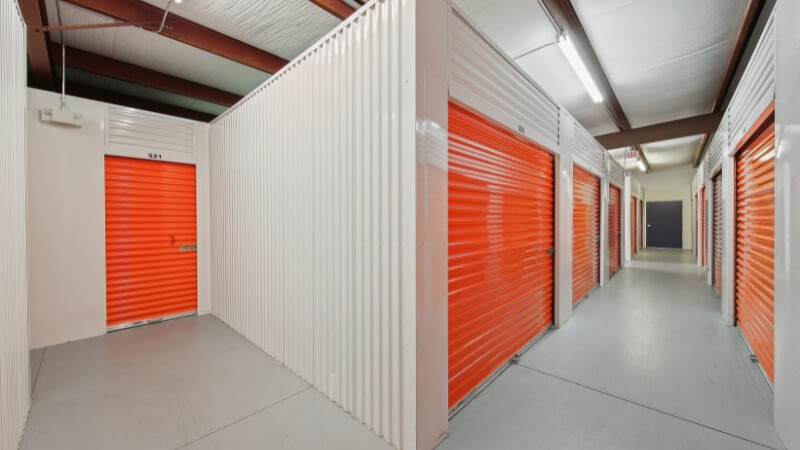
In Florida, this is a very important question.
Heat and humidity can affect certain belongings over time. While some items can handle a standard non-A/C storage unit, others may benefit from climate-controlled or air-conditioned storage.
Climate-controlled storage is designed to provide a more stable environment than traditional outdoor units. This can be helpful if you are storing belongings that are sensitive to temperature changes, moisture, or humidity.
Items That May Need Climate-Controlled Storage
Climate-controlled storage may be a better option for items such as wooden furniture, electronics, photos, documents, books, clothing, linens, leather goods, musical instruments, collectibles, business records, artwork, and items with sentimental or financial value.
For example, wooden furniture can react to moisture. Photos and documents may not do well in humid conditions. Electronics can be sensitive to heat. Clothing and fabric items may need extra care if stored for a long period.
If the item would not do well sitting in a hot garage for months, climate-controlled storage may be worth considering.
When Non-A/C Storage May Work
Non-A/C storage may work well for more durable items, especially when they are properly packed and stored for a shorter period.
These may include patio furniture, lawn equipment, plastic bins, tools, sports gear, outdoor items, and other belongings that are not highly sensitive to heat or moisture.
The right choice depends on what you are storing, how long you need storage, and how much protection your items require.
4. How Easy Is It to Move Items In and Out?
Storage should make life easier, not turn moving day into a workout you did not sign up for.
Before renting, ask how easy it will be to move your belongings in and out of the unit. Look for convenience features such as drive-up access, ground-level units, wide aisles, truck access, and moving carts if available.
Drive-up storage units are especially helpful because you can park near your unit and unload directly from your vehicle. This can save time and energy when moving heavy boxes, furniture, tools, business inventory, sports equipment, or seasonal items.
Why Drive-Up Storage Can Save Time
Drive-up storage can be a major advantage for people who want quick and easy access.
It is useful for heavy boxes, bulky furniture, business supplies, contractor tools, sports gear, and items you plan to access often. Instead of carrying everything through long hallways or dealing with elevators, you can load and unload more efficiently.
For many customers, ground-level access is one of the most practical features a storage facility can offer.
Skip the elevators. Save time. Save energy. Make it easier on your moving helpers, especially the ones who only agreed to help because you promised lunch.
5. What Security Features Does the Facility Offer?
Security is another important factor when choosing a storage facility.
While no storage facility can guarantee that nothing will ever happen, strong security features can help provide added peace of mind. Before you rent, ask what security measures are available at the facility.
Common features may include gated access, video surveillance, well-lit areas, controlled entry, facility maintenance, on-site managers, and individual locks.
You should also ask what type of lock is recommended for your storage unit. A high-quality lock can add another layer of protection for your belongings.
Questions to Ask About Security
Before signing your rental agreement, ask questions like:
Is the facility gated? Are cameras used on the property? Is the facility well-lit at night? Are managers or staff available on-site? How is access controlled? What type of lock should I use? Are there specific access hours?
These questions can help you better understand how the facility is managed and what steps are in place to support safer storage.
6. What Are the Rental Terms and Total Costs?
The monthly rate is important, but it is not the only cost to consider.
Before renting a unit, ask for a clear breakdown of the total cost. This may include the monthly rental rate, admin fees, insurance or protection plans, lock purchases, late fees, taxes, payment requirements, and any move-in promotions.
You should also ask about rental terms. Is the rental month-to-month? How much notice is required before moving out? Are there automatic payments available? Can you upgrade or change unit sizes if needed? Are rates subject to change?
A lower advertised price may not always tell the full story. Make sure you understand what you are paying for before you sign.
Why Transparent Pricing Matters
Transparent pricing helps you plan your budget and avoid surprises.
A good storage facility should make it easy to understand your rental cost, due dates, payment options, and move-out requirements. You should feel confident about the agreement before moving your belongings into the unit.
If something is unclear, ask. It is always better to get answers upfront than to discover unexpected costs later.
7. What Kind of Customer Support Is Available?
Storage is not only about the unit. It is also about the people helping you.
Good customer support can make the process much easier, especially if you are renting storage during a stressful time. Moving, downsizing, renovating, managing a business, or helping a college student move can already feel overwhelming. A helpful team can guide you through the process and answer questions along the way.
Ask whether staff can help you choose the right unit size, explain rental terms, recommend packing supplies, assist with truck rental options, and answer questions about access, billing, and move-out steps.
Why Relationships Matter in Storage
The best storage experience often comes from having real people who are willing to help.
You may not know exactly what size unit you need. You may not be sure whether climate-controlled storage is necessary. You may need boxes, tape, a lock, or a moving truck. You may simply need someone to explain the process clearly.
Helpful customer service can turn storage from a stressful task into a smoother, more manageable experience.
Bonus Question: Does the Facility Offer Moving Supplies or Truck Rentals?
This may not be the first thing you think about, but it can make a big difference.
A storage facility that offers moving supplies or truck rentals can save you extra trips. Instead of visiting one place for boxes, another place for tape, and another place for a truck, you may be able to handle several moving needs in one stop.
Ask whether the facility offers boxes, locks, tape, packing materials, mattress covers, furniture covers, or U-Haul truck rentals.
This is especially helpful if you are moving, renovating, clearing out a garage, or storing business inventory.
Quick Checklist Before Renting a Storage Unit
Before choosing a storage facility, ask yourself:
Is the location convenient for my needs? What size unit do I need? Do I need climate-controlled storage? Is the unit easy to access? Are drive-up or ground-level units available? What security features does the facility offer? What is the full monthly cost? Are the rental terms flexible? Is customer support available? Are moving supplies or truck rentals available?
Answering these questions can help you make a smarter decision and avoid common storage mistakes.
Why Personal Mini Storage Is a Smart Choice in Central Florida
Personal Mini Storage offers convenient storage solutions for homeowners, renters, families, students, and businesses across Central Florida.
Whether you need extra space during a move, a place to store business inventory, a temporary solution during a renovation, or long-term storage for household items, the right facility can make the process easier.
Many Personal Mini Storage locations offer practical features such as drive-up storage units, ground-level access, climate-controlled and non-A/C options, month-to-month rentals, moving supplies, and U-Haul truck rentals. With helpful managers available, customers can get guidance on unit sizes, storage options, and move-in needs.
As a family-owned and operated storage company focused on Central Florida, Personal Mini Storage understands that storage is not always just about boxes. Sometimes it is about making space during life changes, simplifying a move, protecting important belongings, or finally getting your garage back.
And yes, getting your garage back absolutely counts as a personal victory.
Ask the Right Questions Before You Rent
Choosing the right storage facility is about more than finding the lowest price. It is about finding a storage solution that fits your belongings, your schedule, your budget, and your peace of mind.
Before renting, take time to ask about location, unit size, climate control, access, security, rental terms, and customer support. These questions can help you avoid frustration and choose a facility that truly works for your needs.
Need help choosing the right storage unit? Find a Personal Mini Storage location near you and speak with our team about the best storage option for your move, renovation, business, or household storage needs.