Storage Tips for Kissimmee Homeowners During a Renovation
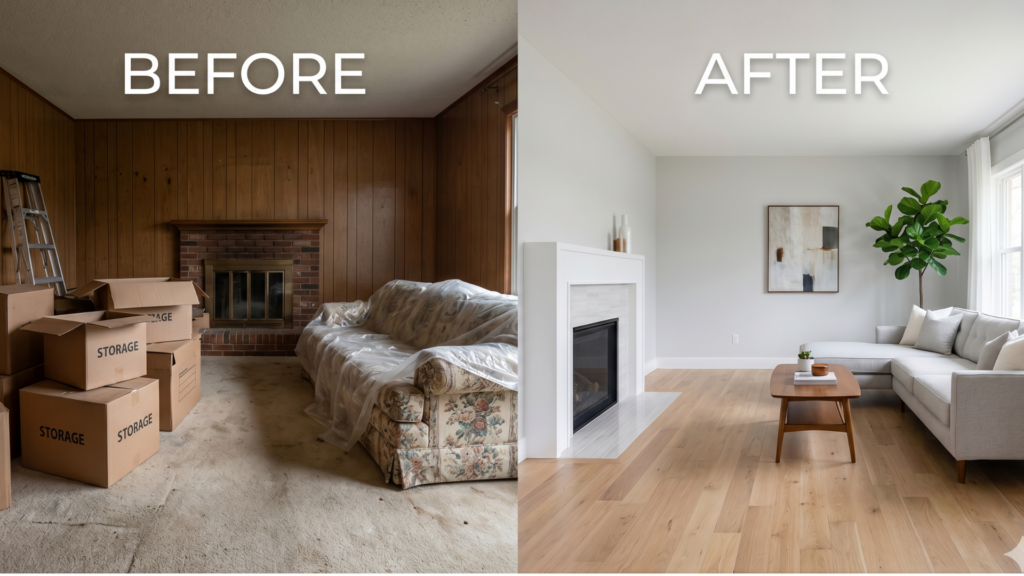
Renovating your home can be exciting. New floors, fresh paint, updated cabinets, a better kitchen, or a more functional bathroom can completely change how your home feels.
But before the finished project comes the messy part.
Furniture gets pushed into hallways. Boxes pile up in the garage. Dust seems to find every corner of the house. Contractors need room to work. And suddenly, the home improvement project you were looking forward to feels like it has taken over your entire living space.
That is where temporary storage can make a big difference.
For homeowners looking for storage for home renovation in Kissimmee, renting a storage unit gives you extra space to protect your belongings, reduce clutter, and keep the renovation process moving with less stress.
Why Homeowners Need Storage During a Renovation
Home renovations often require more space than people expect. Even a small project can quickly disrupt your normal routine. A bathroom remodel may require supplies, tools, and boxes to be stored nearby. A flooring project may require entire rooms to be cleared. A kitchen renovation may leave appliances, dining furniture, and everyday items without a proper place to go.
Without a storage plan, homeowners often end up moving the same items from one room to another again and again. That can slow down the project and create unnecessary frustration.
Using a storage unit during renovation helps solve common problems such as:
- Furniture blocking work areas
- Dust and paint getting on household items
- Fragile items being damaged during construction
- Limited space for contractors to move around
- Clutter building up in bedrooms, garages, and living areas
- Safety concerns from crowded rooms and walkways
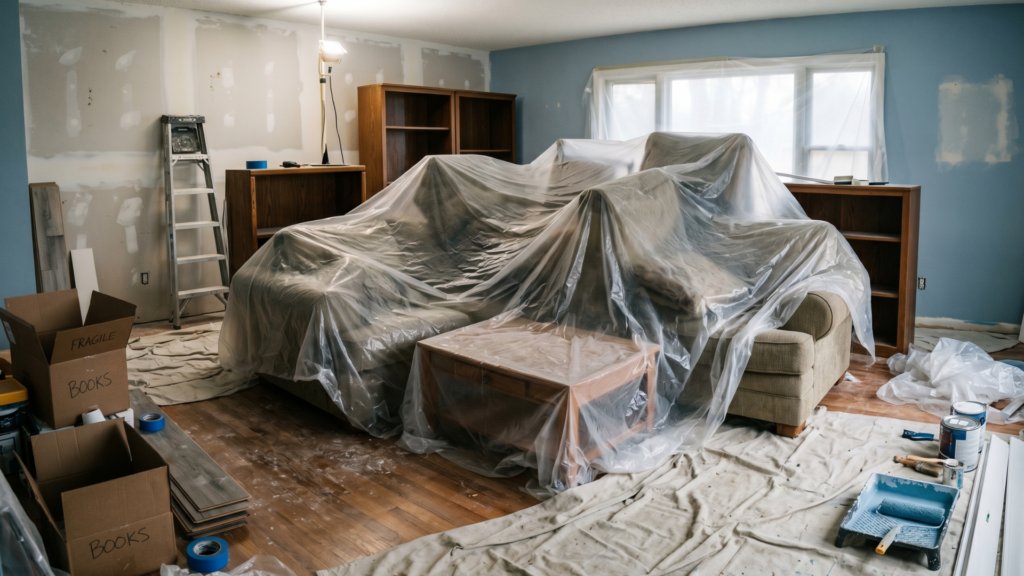
Think of a storage unit as a temporary extra room. Instead of stuffing everything into the garage or living around stacks of boxes, you can move non-essential items out of the house until the project is complete.
What Should You Store During a Home Renovation?
The best items to store are the ones that are either in the way, at risk of damage, or not needed during the renovation. Before the project begins, walk through the rooms being renovated and separate items into three groups: keep, store, and discard.
Here are some common items Kissimmee homeowners may want to place in storage during a renovation.
Furniture and Large Household Items
Large furniture is often the first thing that needs to be moved. Sofas, dining tables, bed frames, dressers, cabinets, bookshelves, and patio furniture can take up valuable space while contractors are working.
If you are replacing flooring, painting walls, remodeling a kitchen, or updating multiple rooms, moving furniture into storage can help prevent scratches, stains, dust buildup, and accidental damage.
It also saves you from constantly shifting furniture from one side of the room to the other. Nobody wants to move a heavy couch five times in one week. That is not renovation prep. That is an unplanned workout.
Electronics and Appliances
Electronics need extra care during a renovation. Dust, moisture, and accidental bumps can damage TVs, computers, speakers, gaming consoles, and other devices.
Small appliances may also need to be moved during a kitchen renovation. Items like microwaves, air fryers, coffee makers, blenders, and mixers can be packed safely and stored until your kitchen is ready again.
If you plan to store electronics for more than a short period, consider using an air-conditioned storage unit. Kissimmee’s heat and humidity can be tough on sensitive items, especially during warmer months.
Décor, Photos, and Fragile Items
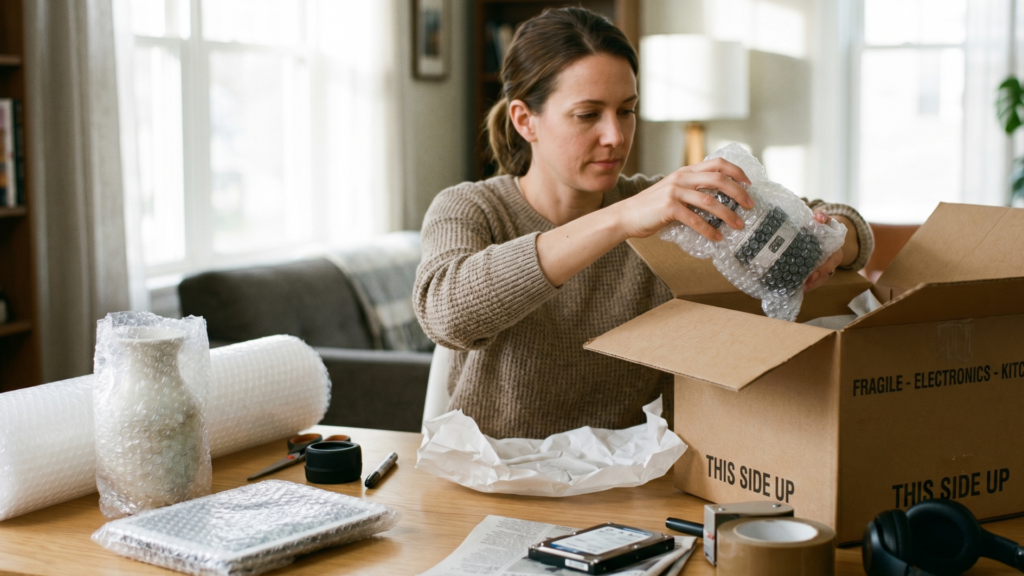
Renovation work often involves movement, noise, dust, and tools. That makes fragile items especially vulnerable.
Before work begins, remove items such as:
- Wall art
- Mirrors
- Framed family photos
- Lamps
- Vases
- Glassware
- Collectibles
- Decorative shelves
- Tabletop décor
Packing these items properly and moving them into storage gives you peace of mind. It also gives contractors clear access to walls, floors, counters, and cabinets.
Seasonal and Outdoor Items
A renovation is also a good time to clear out seasonal items that are taking up space. Holiday decorations, pool toys, sports gear, camping equipment, lawn tools, and patio accessories can be moved into storage while your home is being worked on.
This is especially helpful if your garage is already being used for renovation materials. Instead of turning the garage into a giant puzzle of boxes, tools, and outdoor gear, you can move seasonal items into a storage unit and keep your home more organized.
Choose the Right Type of Storage Unit
Not all storage needs are the same. The right unit depends on what you are storing, how long the renovation will take, and how often you need to access your items.
Drive-Up Storage Units for Heavy Items
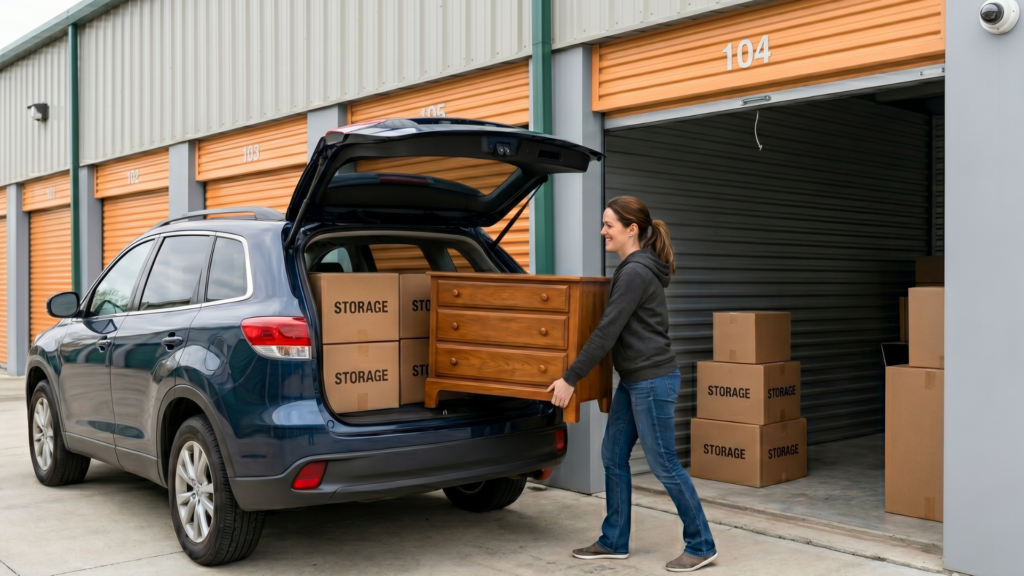
Drive-up storage units are helpful when you need to store large or heavy items. You can pull your vehicle directly up to the unit, making it easier to load and unload furniture, boxes, tools, and renovation supplies.
This is a great option for:
- Sofas and chairs
- Dining sets
- Mattresses
- Dressers
- Boxes of household items
- Garage items
- Tools and equipment
For homeowners managing a renovation, drive-up access can save time and energy. It is especially useful if you are making multiple trips between your home and the storage facility.
Air-Conditioned Storage for Sensitive Belongings
Florida weather is no joke. Kissimmee can get hot and humid, and that can affect certain belongings over time.
Air-conditioned storage is a smart choice for items that may be sensitive to heat or humidity, such as:
- Wood furniture
- Leather furniture
- Electronics
- Important documents
- Photos
- Artwork
- Clothing
- Mattresses
- Musical instruments
- Business inventory
If your renovation will last several weeks or months, or if you are storing valuable household items, air-conditioned storage can provide an added layer of protection.
How to Pack Items Before Moving Them Into Storage
Packing properly can make a big difference. A renovation is already busy enough, so the last thing you want is to open your storage unit later and find damaged furniture, broken glass, or mystery boxes with no labels.
Here are practical packing tips to follow:
Clean furniture before storing it. Dust, crumbs, and moisture can cause problems if items are stored for a long time.
Use breathable covers for furniture. Avoid wrapping wood or upholstered furniture too tightly in plastic for extended periods, especially in humid weather.
Wrap fragile items carefully. Use bubble wrap, packing paper, or towels to protect glass, mirrors, dishes, and décor.
Label every box clearly. Include the room name and a short description, such as “Kitchen – plates and mugs” or “Living room – framed photos.”
Keep small parts together. If you disassemble furniture, place screws, bolts, and hardware in a labeled bag and tape it to the item or place it in a clearly marked box.
Avoid overpacking boxes. Heavy boxes are harder to move and more likely to break. Books, dishes, and tools should be packed in smaller boxes.
Take photos before disassembling furniture or electronics. This makes reassembly easier once the renovation is finished.
A little extra effort during packing can save you a lot of frustration later.
Organize Your Storage Unit by Renovation Phase
One of the biggest mistakes homeowners make is loading everything into storage without a plan. It may feel faster at first, but it becomes frustrating when you need one item buried behind ten boxes and a mattress.
Organize your storage unit based on your renovation timeline.
Keep Frequently Needed Items Near the Front
Place items you may need during the renovation near the entrance of the unit. This may include:
- Tools
- Extra materials
- Cleaning supplies
- Important documents
- Small appliances
- Items for rooms that will be finished first
This way, you do not have to unload half the unit just to find one box.
Place Long-Term Items Toward the Back
Items you will not need until the renovation is fully finished can go toward the back of the unit. These may include:
- Seasonal decorations
- Guest room furniture
- Patio furniture
- Extra décor
- Stored clothing
- Items from rooms being renovated later
This keeps the front of the unit easier to access.
Create a Walkway
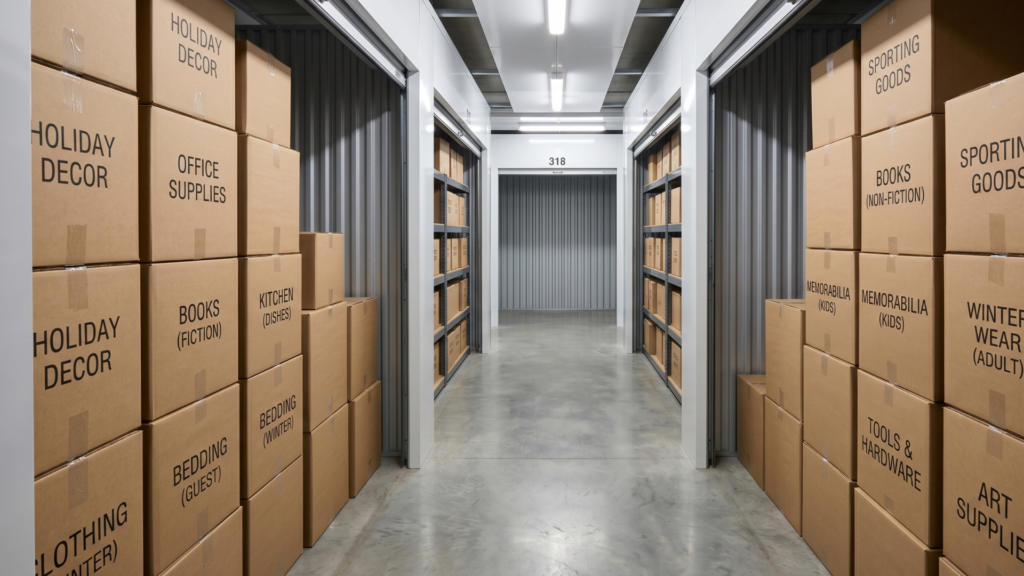
Leave a small aisle through the middle of the unit when possible. It may feel tempting to use every inch of space, but a walkway makes it much easier to reach items without unpacking the entire unit.
You can also stack boxes by room and place labels facing outward. This simple step can save time when you are ready to move everything back home.
Use Storage to Keep Contractors Moving Efficiently
A clear work area helps contractors do their job more efficiently. When furniture, boxes, and personal items are out of the way, it is easier to install flooring, paint walls, replace cabinets, repair drywall, or complete plumbing and electrical work.
Temporary storage can help with projects such as:
- Kitchen remodels
- Bathroom renovations
- Flooring installation
- Interior painting
- Room additions
- Garage conversions
- Whole-home updates
- Storm or insurance repairs
When rooms are cleared, contractors can move more freely, materials can be placed safely, and the project may feel less chaotic for everyone involved.
It also helps protect your belongings from accidental damage. Even careful contractors need space to work, and renovation zones are not ideal places for family heirlooms, electronics, or expensive furniture.
Short-Term vs Long-Term Storage During Renovation
The length of your renovation can help determine the kind of storage setup you need.
Short-Term Storage
Short-term storage is useful for smaller projects that may only take a few days or weeks. This can include:
- Painting
- Flooring replacement
- Bathroom updates
- Cabinet refinishing
- Minor repairs
- Decluttering before a project
For short-term needs, focus on convenience and easy access. You may need to visit your storage unit several times while the project is underway.
Long-Term Storage
Long-term storage may be better for larger or more complicated projects. This can include:
- Whole-home renovations
- Major kitchen remodels
- Multi-room updates
- Delayed move-ins
- Insurance restoration work
- Multi-phase remodeling projects
For longer storage timelines, it becomes even more important to pack carefully, choose the right storage type, and protect items from heat and humidity.
Don’t Forget Moving Supplies and Truck Rentals
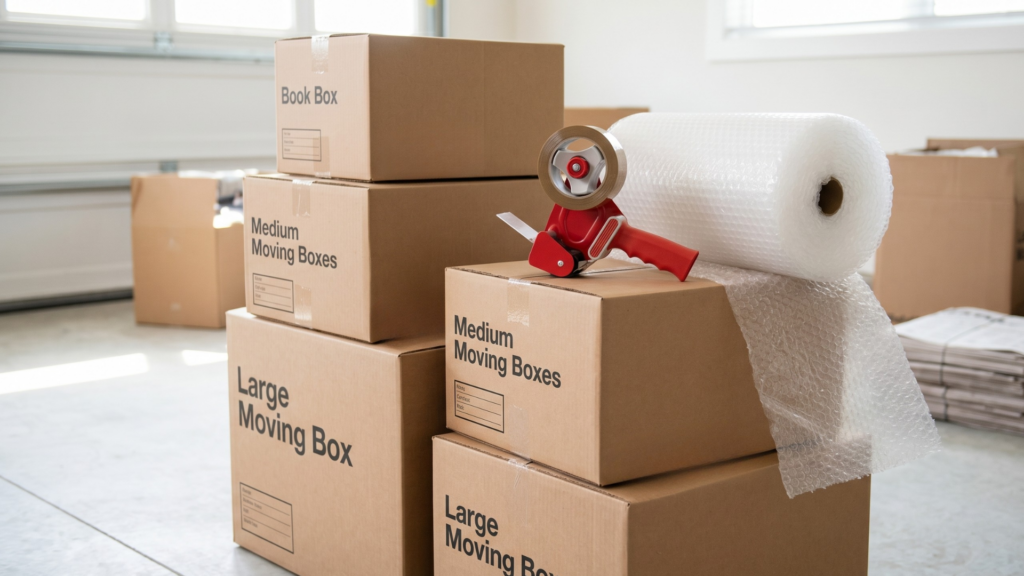
Moving items into storage is much easier when you have the right supplies. Before you start packing, make sure you have what you need.
Helpful moving supplies may include:
- Sturdy boxes
- Packing tape
- Bubble wrap
- Packing paper
- Mattress covers
- Furniture covers
- Moving blankets
- Labels or markers
- Plastic bins for moisture-resistant storage
- Rope or straps for securing larger items
If you are storing furniture or large household items, a rental truck can make the process much easier. Instead of trying to squeeze everything into several car trips, you can move larger items safely and more efficiently.
Choosing a storage facility that offers both storage and moving supplies can save time during an already busy renovation.
Why Local Storage Helps Kissimmee Homeowners
When you are renovating, location matters. A storage unit close to home makes it easier to access your belongings when you need them.
Local storage is helpful because you can:
- Make quick trips during the renovation
- Pick up tools, supplies, or stored items as needed
- Avoid long drives while managing a busy project
- Move items back home room by room
- Keep the process more flexible
For homeowners looking for storage for home renovation in Kissimmee, choosing a nearby facility can make the entire process feel more manageable. Whether you are clearing space for new flooring, protecting furniture during painting, or storing household items during a major remodel, local storage gives you breathing room.
Final Renovation Storage Checklist
Before your renovation begins, use this checklist to stay organized:
- Decide which rooms need to be cleared
- Separate items into keep, store, donate, and discard piles
- Identify fragile and climate-sensitive belongings
- Choose the right storage unit size
- Decide between drive-up and air-conditioned storage
- Gather packing supplies before you start
- Label every box by room and contents
- Keep essential items near the front of the unit
- Place long-term items toward the back
- Leave a walkway for easier access
- Coordinate storage timing with your contractor’s schedule
- Move items back home only after the space is clean and ready
A little planning before the renovation starts can save you from a lot of stress later.
Make Your Renovation Easier with Personal Mini Storage in Kissimmee
Home renovations are exciting, but they are much easier when your belongings are protected and your work areas are clear. Temporary storage gives you the space you need to keep furniture, boxes, décor, electronics, and seasonal items out of the way while your project comes together.
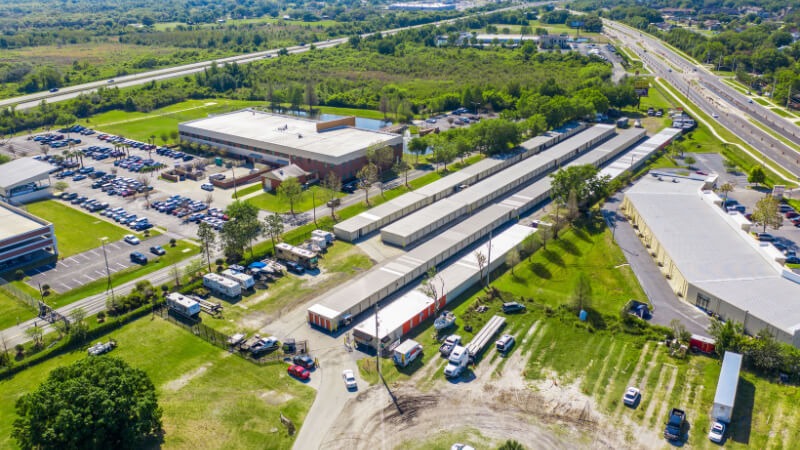
Personal Mini Storage on Broadview Dr in Kissimmee offers convenient storage options for local homeowners who need extra space during a renovation. With options such as drive-up storage units, air-conditioned storage, ground-level access, moving supplies, U-Haul truck rentals, and 24-hour gate access, you can make your renovation easier from start to finish.
Planning a home renovation in Kissimmee? Personal Mini Storage can help you keep your belongings safe, organized, and out of the way while your home gets the upgrade it deserves.